


Hey there! As a supplier of PDC Core Bits, I've seen firsthand how crucial it is to have a well - lubricated drilling fluid when using these bits. In this blog, I'm gonna share some tips on how to improve the lubrication effect of the drilling fluid on PDC Core Bits.
First off, let's understand why good lubrication is so important. When a PDC Core Bit is drilling, there's a ton of friction between the bit and the rock. This friction can generate a lot of heat, which can wear down the bit quickly and reduce its efficiency. A well - lubricated drilling fluid can reduce this friction, lower the heat generation, and extend the life of the PDC Core Bit.
1. Select the Right Drilling Fluid
The type of drilling fluid you choose plays a huge role in lubrication. There are several types of drilling fluids out there, like water - based, oil - based, and synthetic - based fluids.
Water - based fluids are the most common. They're relatively inexpensive and environmentally friendly. But they might not offer the best lubrication compared to oil - based fluids. Oil - based fluids have excellent lubricating properties. They can form a thin film on the surface of the PDC Core Bit, reducing friction significantly. However, they can be more expensive and have some environmental concerns. Synthetic - based fluids are a compromise between the two. They offer good lubrication and are more environmentally friendly than oil - based fluids.
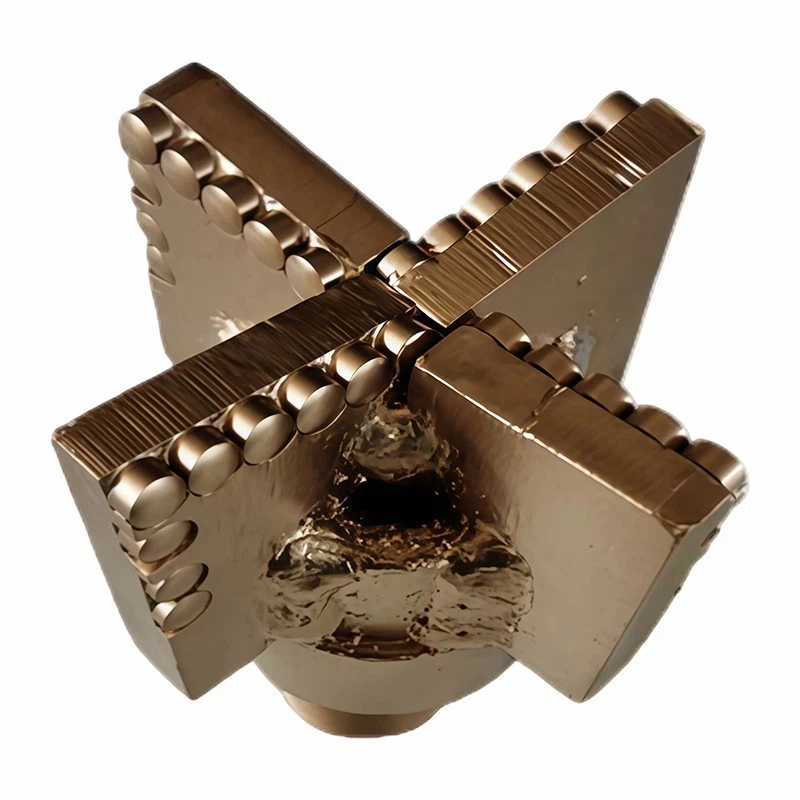
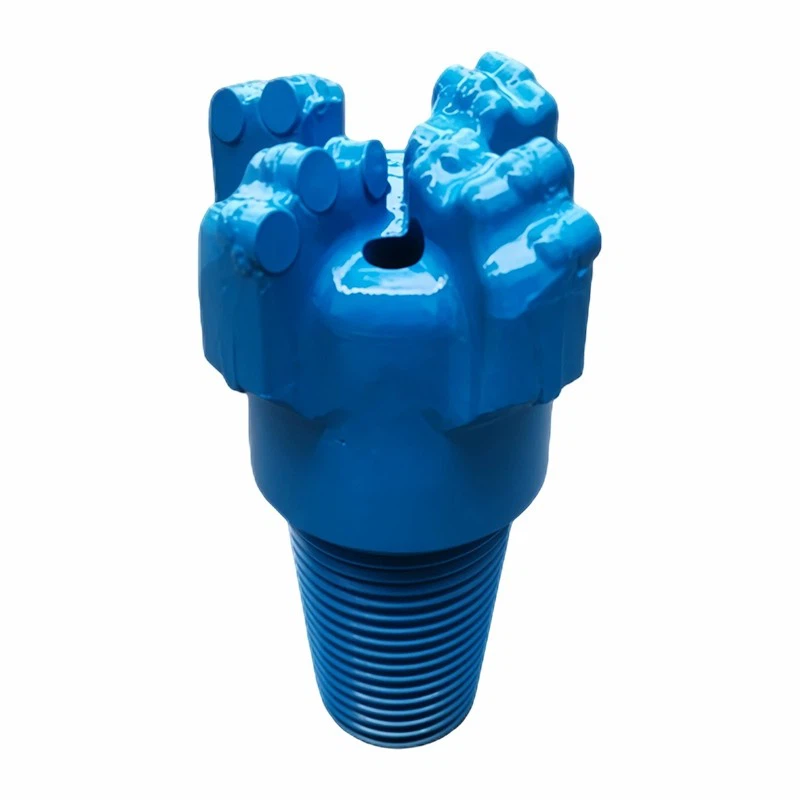
If you're working in a soft rock formation, a water - based fluid might be sufficient. But for harder rock formations, you might want to consider an oil - based or synthetic - based fluid. You can check out our Steel Body PDC Drill Bit product page to see which type of fluid is recommended for different applications.
2. Add Lubricants to the Drilling Fluid
Adding lubricants to the drilling fluid can enhance its lubrication effect. There are various types of lubricants available in the market. Some common ones include graphite, molybdenum disulfide, and vegetable - based lubricants.
Graphite is a great lubricant. It can form a slippery layer on the surface of the PDC Core Bit, reducing friction. Molybdenum disulfide is another excellent option. It has high thermal stability and can work well under high - pressure conditions. Vegetable - based lubricants are more environmentally friendly and can be a good choice if you're concerned about the environment.
When adding lubricants, make sure to follow the manufacturer's instructions. Adding too much lubricant can cause other problems, like clogging the drilling fluid system.
3. Control the Viscosity of the Drilling Fluid
The viscosity of the drilling fluid is also an important factor. If the viscosity is too low, the fluid won't be able to carry the cuttings effectively and won't provide enough lubrication. On the other hand, if the viscosity is too high, it can increase the pressure in the drilling system and make it harder for the bit to penetrate the rock.
You can control the viscosity of the drilling fluid by adding viscosity - modifying agents. These agents can either increase or decrease the viscosity depending on your needs. For example, bentonite is a common viscosity - increasing agent, while some polymers can be used to decrease the viscosity.
4. Maintain the Temperature of the Drilling Fluid
The temperature of the drilling fluid can affect its lubrication properties. As the temperature rises, the viscosity of the fluid can change, and the lubrication effect might be reduced. So, it's important to maintain the temperature of the drilling fluid within a certain range.
One way to do this is by using a cooling system. You can circulate the drilling fluid through a heat exchanger to remove the excess heat. Another way is to adjust the composition of the drilling fluid to make it more heat - resistant.
5. Keep the Drilling Fluid Clean
Contaminants in the drilling fluid can reduce its lubrication effect. For example, if there are large particles in the fluid, they can cause abrasion on the PDC Core Bit and increase friction. So, it's important to keep the drilling fluid clean.
You can use filters to remove the solid particles from the drilling fluid. There are different types of filters available, such as screen filters and cartridge filters. Regularly check and replace the filters to ensure they're working effectively.
6. Optimize the Flow Rate of the Drilling Fluid
The flow rate of the drilling fluid also affects the lubrication of the PDC Core Bit. A proper flow rate can ensure that the fluid reaches all parts of the bit and provides uniform lubrication.
If the flow rate is too low, the fluid might not be able to carry the cuttings away effectively, and the lubrication might be insufficient. If the flow rate is too high, it can cause excessive erosion on the bit and the wellbore. You need to find the right balance based on the type of rock formation, the size of the bit, and other factors.
7. Choose the Right PDC Core Bit Design
The design of the PDC Core Bit can also influence the lubrication effect. Bits with a well - designed hydraulic system can ensure better distribution of the drilling fluid. For example, bits with optimized nozzle arrangements can direct the fluid to the areas where it's most needed.
We offer a variety of PDC Core Bits, including Matrix Body PDC Drill Bit and Diamond Drill Bits for Rock. Each design is carefully engineered to work well with different drilling fluids and rock formations.
In conclusion, improving the lubrication effect of the drilling fluid on PDC Core Bits requires a combination of factors. By selecting the right drilling fluid, adding lubricants, controlling the viscosity and temperature, keeping the fluid clean, optimizing the flow rate, and choosing the right bit design, you can significantly enhance the performance and lifespan of your PDC Core Bits.
If you're interested in purchasing high - quality PDC Core Bits or need more advice on drilling fluid lubrication, feel free to reach out for a procurement discussion. We're here to help you get the best results in your drilling operations.
References
- Drilling Fluid Technology Handbook, [Author's Name], [Publication Year]
- PDC Bit Design and Performance, [Author's Name], [Publication Year]


