



As a supplier of Stinger Conical PDC Cutters, I am often asked about the materials used in their production. In this blog post, I will delve into the key materials that go into making these high - performance cutters, explaining their properties and why they are essential for the cutter's functionality.
1. Polycrystalline Diamond Compact (PDC)
The core material of the Stinger Conical PDC Cutter is the Polycrystalline Diamond Compact. PDC is a composite material that combines synthetic diamond crystals with a metallic binder under high temperature and high pressure conditions.
Synthetic Diamond Crystals
Synthetic diamond is the main component of the cutting layer in PDC cutters. It is known for its exceptional hardness, which is the highest among all known materials. This hardness allows the cutter to effectively cut through hard rock formations such as granite, sandstone, and limestone. The high hardness also ensures a long - lasting cutting edge, reducing the need for frequent cutter replacements during drilling operations.
The synthetic diamond crystals are carefully selected and arranged to form a continuous, dense structure. This structure provides excellent wear resistance, as the diamond can withstand the high - stress and abrasive forces encountered during drilling. The interlocking nature of the diamond crystals also enhances the overall strength of the cutting layer, preventing premature chipping or breakage.
Metallic Binder
The metallic binder plays a crucial role in holding the synthetic diamond crystals together. Commonly used binders include cobalt, nickel, and their alloys. These metals have good wetting properties with diamond, which means they can form a strong bond with the diamond crystals during the high - pressure and high - temperature sintering process.
The binder also provides some degree of toughness to the PDC. While diamond is extremely hard, it can be brittle. The metallic binder helps to absorb and distribute the stress during cutting, reducing the risk of catastrophic failure. Additionally, the binder can act as a heat conductor, dissipating the heat generated during the cutting process. This is important because excessive heat can cause thermal damage to the diamond, leading to reduced cutting performance.
2. Tungsten Carbide Substrate
Beneath the PDC layer, there is a tungsten carbide substrate. Tungsten carbide is a very hard and wear - resistant material, making it an ideal choice for supporting the PDC layer.
Properties of Tungsten Carbide
Tungsten carbide is composed of tungsten and carbon atoms in a specific ratio. It has a high melting point, excellent hardness, and good thermal conductivity. These properties make it suitable for withstanding the high - pressure and high - temperature environment during the manufacturing process of the PDC cutter and also during drilling operations.
The tungsten carbide substrate provides mechanical support to the PDC layer. It helps to distribute the cutting forces evenly across the cutter, preventing the PDC layer from being over - stressed and damaged. Moreover, the substrate has good corrosion resistance, which is important as the cutters are often exposed to harsh drilling fluids that may contain corrosive chemicals.
Bonding with PDC Layer
The PDC layer and the tungsten carbide substrate are bonded together through a high - pressure and high - temperature process. This bonding is crucial for the overall performance of the cutter. A strong bond ensures that the PDC layer remains firmly attached to the substrate during cutting, preventing delamination. The bonding process also affects the thermal transfer between the PDC layer and the substrate, which is important for heat dissipation.
3. Surface Coatings
In some cases, Stinger Conical PDC Cutters may be coated with special materials to enhance their performance.
Types of Coatings
One common type of coating is a diamond - like carbon (DLC) coating. DLC coatings have low friction coefficients, which can reduce the cutting forces and improve the drilling efficiency. They also have good wear resistance, further extending the lifespan of the cutter.
Another type of coating is a ceramic coating. Ceramic coatings can provide additional hardness and chemical resistance. They can protect the PDC layer from chemical attacks by the drilling fluids, especially in environments where the fluids contain aggressive chemicals.
Coating Application
The coating is applied using advanced deposition techniques such as physical vapor deposition (PVD) or chemical vapor deposition (CVD). These techniques allow for precise control of the coating thickness and composition, ensuring that the coating adheres well to the cutter surface and provides the desired performance enhancements.
Comparison with Other Shaped PDC Cutters
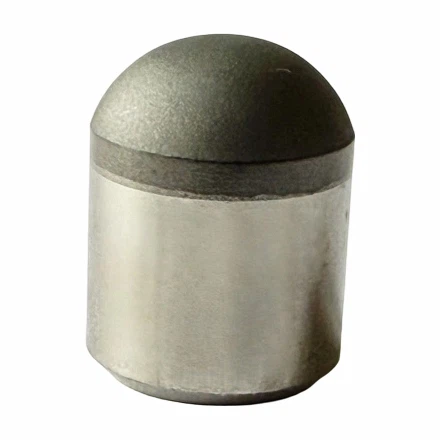
When compared to other shaped PDC cutters such as Domed Shaped PDC Cutter and Axe PDC Cutter, the Stinger Conical PDC Cutter has its unique advantages in terms of the materials used and the resulting performance.
The conical shape of the Stinger cutter, combined with the high - quality PDC and tungsten carbide materials, allows for more efficient rock penetration. The conical tip can concentrate the cutting forces, making it easier to break through hard rock formations. In contrast, the domed - shaped cutter may be more suitable for softer formations, as its rounded shape distributes the cutting forces over a larger area. The axe - shaped cutter, on the other hand, is designed for specific cutting applications where a more aggressive cutting action is required.
Conclusion
The materials used in making Stinger Conical PDC Cutters are carefully selected to ensure high performance, durability, and efficiency. The combination of synthetic diamond, metallic binder, tungsten carbide substrate, and optional surface coatings results in a cutter that can withstand the harsh conditions of oil and gas drilling.

If you are in the market for high - quality PDC cutters, our Stinger Conical PDC Cutter is an excellent choice. We are committed to providing the best products and services to meet your drilling needs. If you have any questions or are interested in a purchase, please feel free to contact us for further discussion and negotiation.
References
- "Polycrystalline Diamond Compacts: Properties and Applications" by Materials Research Society
- "Tungsten Carbide: A Review of Its Properties and Uses" in Journal of Materials Science
- "Surface Coatings for Cutting Tools" by International Journal of Machine Tools and Manufacture


