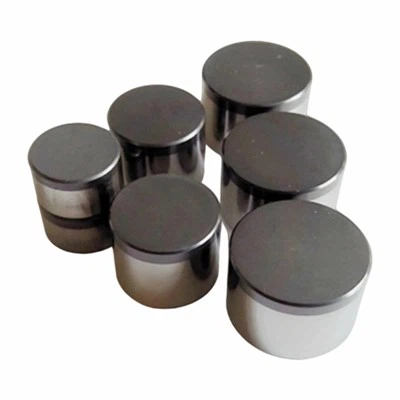
Thermally stable polycrystalline diamond (PCD) tools are widely used in aerospace, energy equipment, and precision manufacturing due to their superior hardness, wear resistance, and high-temperature stability. However, even with these excellent properties, their advantages cannot be fully realized without proper daily care, and may even lead to premature failure. Reasonable maintenance not only extends the tool's service life but also ensures consistent and reliable machining quality.
First, cleaning is the foundation of daily care. After each use, promptly remove chips, oil, and coolant residue from the tool surface. Because the PCD surface is extremely dense, ordinary wiping may not completely remove fine particles. It is recommended to use a soft-bristled brush with anhydrous ethanol or a special cleaning agent to gently wipe the tool. Avoid using steel wool or hard scrapers to prevent scratching the diamond layer and damaging the cutting edge integrity. Cleaning should also be performed at room temperature to prevent micro-cracks caused by thermal shock.
Second, proper storage is crucial. PCD tools should be stored in a dry, temperature-controlled environment, avoiding direct sunlight and humid air to prevent interface oxidation or substrate corrosion. Tools should be stored in dedicated, impact-resistant tool holders or clamps, ensuring proper protection of the cutting edges to prevent chipping due to external impacts. Tools of different specifications should be categorized and stored for easy management and retrieval, reducing the risk of misuse.
Monitoring and maintenance during use are equally important. Operators should regularly check the wear condition of the tool edges, including macroscopic notching and microscopic dulling. If abnormal wear or localized damage is found, the tool should be immediately taken out of service and the feasibility of repair assessed. For regrindable tools, regrinding should be performed by trained professionals using diamond wheels of appropriate grit, controlling the amount of regrinding and cooling conditions to prevent heat accumulation that could damage the thermal stability layer.
Furthermore, cutting parameters should be optimized based on the characteristics of the material being machined and the machine tool's operating conditions to avoid thermomechanical shock caused by overloading. For example, when machining high-silicon aluminum alloys or high-temperature alloys, appropriately reducing the feed rate and depth of cut can reduce the impact of instantaneous temperature rise on the tool. The choice of coolant should also consider both cooling and lubrication performance to prevent chemical reactions that could damage the tool surface.
In summary, the daily maintenance of thermally stable PCD cutting tools is a systematic task encompassing cleaning, storage, inspection, and use. Only by establishing standardized procedures and strictly adhering to them can their superior performance be continuously maintained in complex machining environments, achieving the dual goals of efficient production and cost control.