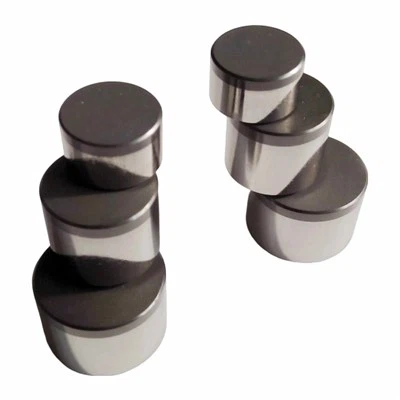
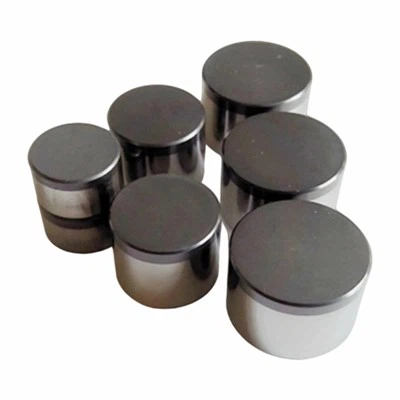
Thermally stable polycrystalline diamond (PCD) is widely used in aerospace, energy equipment, and precision manufacturing industries with stringent machining quality requirements due to its excellent hardness, wear resistance, and high-temperature stability.However, fully realizing its performance advantages depends on scientific and standardized usage. Ignoring relevant precautions can not only lead to premature tool failure but also affect machining accuracy and production efficiency, and even cause equipment or personal safety hazards in extreme cases.
First, proper tool selection and matching with operating conditions are crucial. Although thermally stable PCD is resistant to high temperatures, its toughness is still lower than some cemented carbides. When machining workpieces containing hard particles or subject to strong discontinuous impacts, it is not advisable to blindly pursue high-parameter cutting. The applicable range of linear speed, feed rate, and depth of cut should be pre-assessed based on material properties (such as thermal conductivity and work hardening tendency) and machine tool rigidity to avoid edge chipping or thermal fatigue cracks caused by overloading.
Second, the accuracy of installation and alignment directly affects the working condition of the tool. Clamping should ensure a good fit between the tool holder and the spindle, minimizing radial runout and axial movement. High-precision balancing tools should be used for correction if necessary. For multi-edged tools, the synchronization of each cutting edge must be checked to prevent uneven loading that could lead to localized overheating and uneven wear. After installation, a low-speed test run should be performed to confirm the absence of abnormal vibration before proceeding with formal machining.
Cooling and lubrication strategies must be compatible with the operating environment. Although the thermal stability PCD can withstand higher temperatures, proper application of coolant can effectively reduce the peak temperature in the cutting zone, reduce workpiece material adhesion and built-up edge formation, and extend the cutting edge sharpness time. A low-residue, chemically inert, and diamond-compatible medium should be selected, and attention should be paid to the spray direction and coverage to avoid the coolant decomposing at high temperatures to produce harmful substances or exacerbating interface corrosion. During dry or semi-dry machining, cutting parameters should be appropriately reduced to compensate for insufficient heat dissipation.
A regular inspection system should be established during use. Monitor the cutting edge wear morphology using a microscope or imaging system. If abnormal wear, micro-chipping, or coating damage is detected, the machine should be stopped immediately for evaluation. For regrindable cutting tools, regrinding must be performed by trained professionals under controlled conditions, using diamond wheels of appropriate grit size, and strictly controlling the heat input during regrinding to prevent damage to the thermally stabilized layer or alteration of the cutting edge geometry.
Storage and handling are also crucial. Tools should be stored in a dry, temperature-controlled, and light-protected environment, avoiding the intrusion of humid air or corrosive gases. During handling, collisions and drops must be prevented to avoid damage to the cutting edge or internal stress imbalance. Tools of different specifications should be categorized, labeled, and stored separately to reduce the risk of misuse.
In summary, the precautions for using thermally stabilized PCD tools cover selection and matching, installation and alignment, cooling and lubrication, condition monitoring, and storage and handling. Only by systematically implementing these measures can their performance advantages be maximized, ensuring the safety, stability, and efficiency of the machining process, and providing reliable guarantees for high-end manufacturing.